Distraction and Loss of Situational Awareness
Hazard Alert
| Topic: Distraction and Loss of Situational Awareness |
| Date Issued: June 3, 2026 |
Date Revised: |
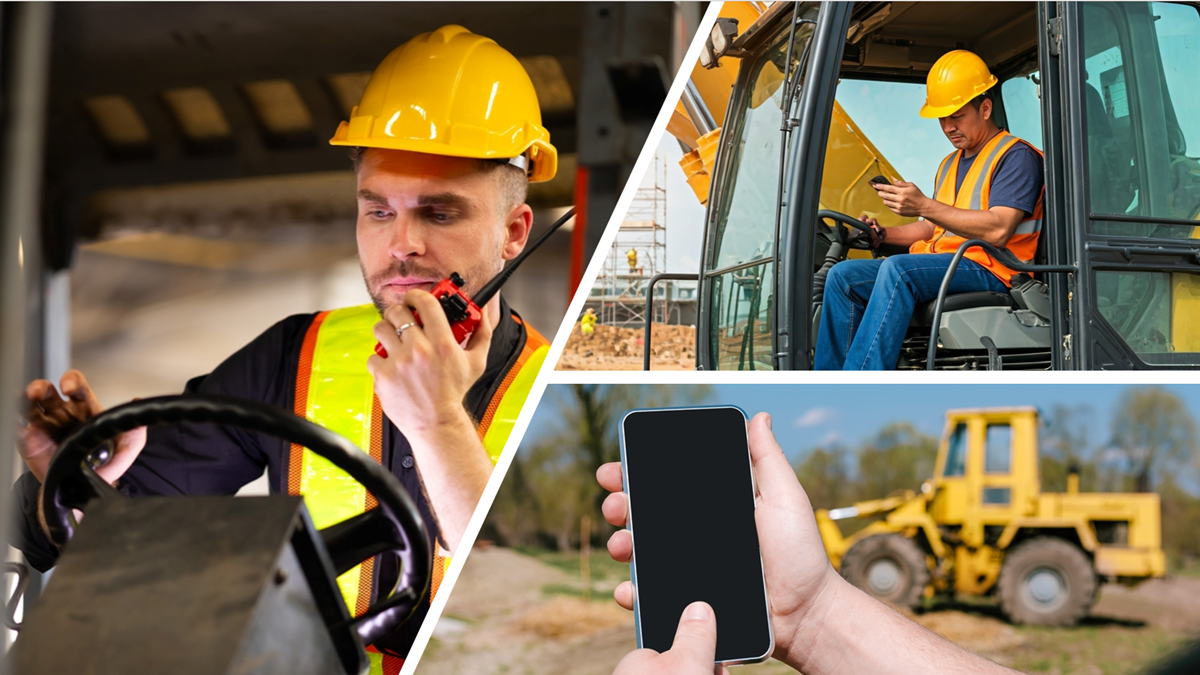
In New Brunswick, a worker was killed after becoming distracted by a cellphone near a moving vehicle. Other workplace incidents have involved headphones or earbuds that reduced workers’ awareness of surrounding hazards. Distractions can prevent workers from recognizing hazards, changes in their surroundings, or warning signals in time to respond safely.
 Why It Matters
Managing distractions is essential to maintaining situational awareness and reducing the risk of serious workplace incidents. Even brief lapses in attention can lead to serious injuries or death, particularly in dynamic environments where hazards are present. Distractions can come from conversations, phones, radios, headphones, fatigue, stress, or environmental conditions, and should be recognized and controlled before hazardous work begins.
Common Sources of Distraction
- Mobile phones or electronic devices
- Radios, calls, or other work-related communications during critical tasks
- Earbuds or headphones that reduce awareness of surrounding hazards
- Conversations during high-risk work • Fatigue, stress, or time pressure
- Environmental conditions such as noise, traffic, weather, or poor visibility
- Multitasking or rushing during hazardous or unfamiliar work
High-Risk Work Environments
- Construction, industrial, and manufacturing worksites
- Warehouses, loading areas, and traffic control zones
- Work involving vehicles, mobile equipment, or cranes
- Work at heights or near openings
- Maintenance, repair, or servicing activities
- Any dynamic work environments where conditions change quickly
Potential Consequences
- Being struck by vehicles, equipment, or moving objects
- Becoming caught between equipment, materials or structures
- Slips, trips, and falls • Loss of control of tools or equipment
- Failure to recognize hazards or react in time
- Serious injuries or death
Preventive Measures
Employers should manage distractions through hazard assessments and appropriate controls, including:
- Identifying tasks and work areas that require full attention
- Eliminating or minimizing distractions during high-risk activities • Establishing clear expectations around cellphone use, radios, and other communications
- Designating safe areas for non-essential activities • Managing fatigue, workload, and time pressures
- Ensuring workers can hear alarms, warnings, and instructions
- Supervising work to confirm safe practices are being followed
Worker Responsibilities
Workers must remain aware of their surroundings and avoid activities that could distract them during hazardous work. Mobile phones, headphones, and other distractions should not be used where situational awareness is required. Workers should follow safe work procedures, speak up about hazards that may affect attention or awareness, and stop to refocus before continuing work if they become distracted or overwhelmed.
THE BOTTOM LINE
-
One moment of distraction can turn routine work into a serious or fatal incident.
-
Staying aware of your surroundings helps protect you and the workers around you.